
Accessory Dwelling Units (ADUs)
With more and more residents coming to Utah and needing housing, the rise of ADUs is becoming popular in large cities. Accessory Dwelling Units are just one housing type that can help increase the number of living spaces with minimal impact on your surrounding community. Crafting an ADU requires some specialty permits and considerations, as they can’t be too big, too tall, or too bulky when added to an existing structure.
Dirty Deeds Construction offers the build or addition of an ADU for those in Utah County and beyond. Whether you want to gain passive income through renters, house elderly family members, or increase your housing stock, Accessory Dwelling Units are the best way to do it. Our construction team is skilled in building long-lasting living spaces, ensuring that Utah residents are safe and comfortable.
What Qualifies As An ADU?
An Accessory Dwelling Unit is an additional living space that includes a space for sleeping, cooking, and bathrooms. This build is independent of the primary residence.
There are many different types of ADU builds in order to serve a variety of different homeowners or residents. Some may assume that if they don’t have extra backyard space or their home is close to other builds, they can’t qualify for an ADU build. However, many different types of builds can be completed on your property or around your home. Here is what qualifies as an ADU in Utah.
Attached ADUs
Attached accessory dwelling units can be either new construction or a remodel of an existing space that is attached to the primary building. If the ADU is attached to an existing structure, you are only allowed to build one of them.
Basement Conversion
Homes with a finished basement can be converted to an ADU to maximize the living space you already own. Every ADU build needs to have at least one additional parking space for the new residents. Your property must also be located less than ¼ mile from public transit and ½ mile from a bike path. Even if you have a space that could qualify as an extra living space, these requirements could disqualify your build from being considered an ADU.
Addition To Exterior
Making an addition to your exterior has its own set of requirements, like zoning considerations for your district. The build must comply with front, side, and rear yard requirements when the build is attached to your current living space.
Detached Units
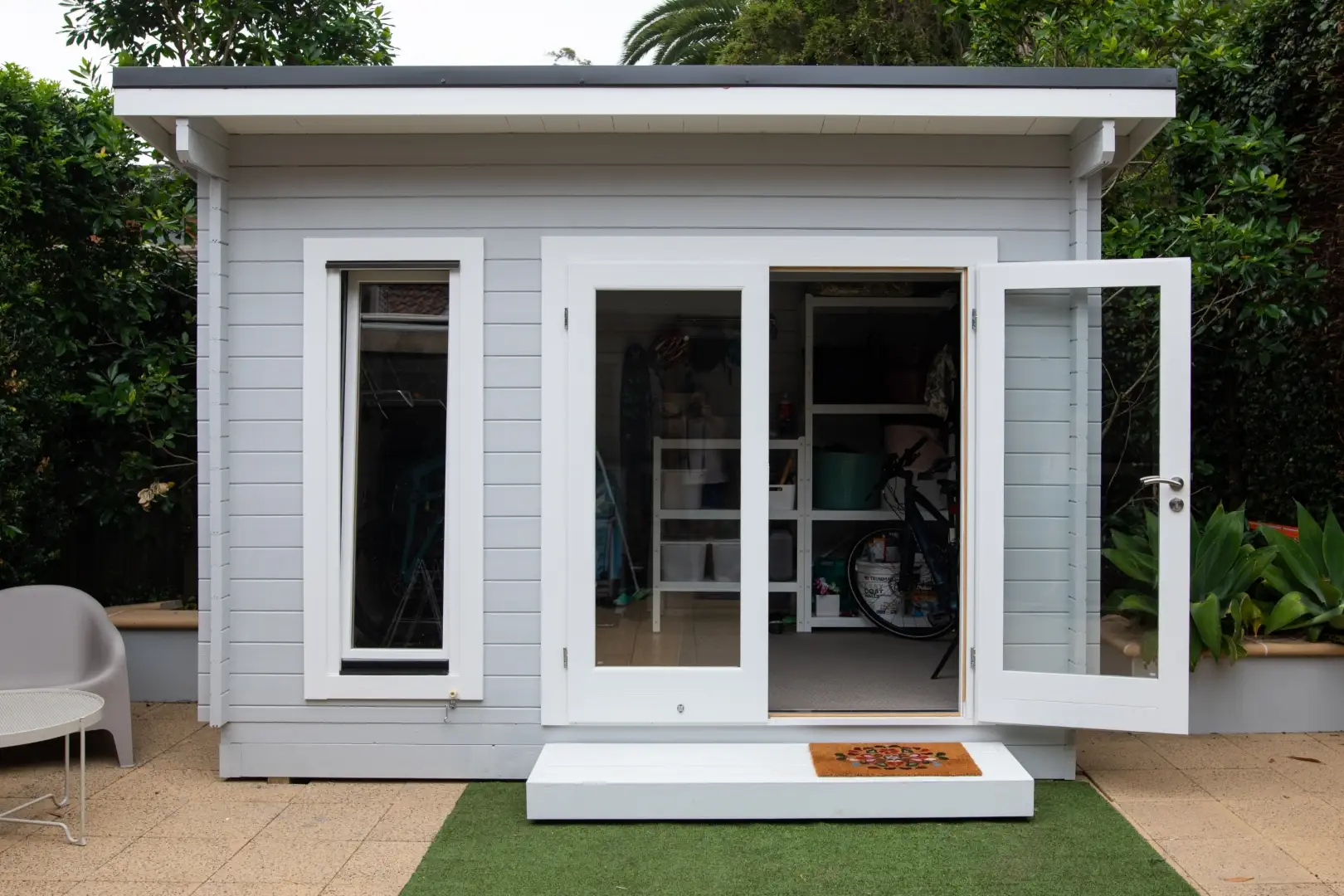
Detached ADUs are newly built structures that are not connected to the primary residence in any way. There are many types of detached units, including above a detached garage, a separate freestanding unit, or attached to a separate garage. Detached units must have a minimum of 3 feet on the side and rear of the build. Your detached ADU can not exceed the size of your main building.
Attached To Garage
One of the most common ADU builds is one that is on top of or next to an existing garage. A garage that is detached from the home can have an ADU attached without many setbacks. Attached above a garage must be no taller than 24 feet with a pitched roof. An ADU next to the garage must comply with the lot coverage requirement of your property and zoning district. It still must be smaller than the main building.
Where Can An ADU Be Built?
Every community falls within a specific land use zone, which means that certain builds can only take place in certain areas. For example, if a space is zoned for commercial, someone can not build a residential home in this zone. ADUs must be built in a district that is zoned for residential, and each lot can only include one additional dwelling unit.
Historic districts will also require a certificate of appropriateness before you can add an ADU to a historic home. Your local historic society may be able to modify certain lots in order for you to build an ADU on your property. Working with a qualified builder will save you from having to jump through hoops with the city or zoning departments to get your ADU built quickly.
Let’s give your home a fresh new look!
Quality Builds From Dirty Deeds Construction
The construction team at Dirty Deeds has experience and expertise building a variety of living spaces. Our team specializes in builds in Utah County, allowing one of the fastest-growing parts of the state to continue to serve a variety of residents. We know that many people in Utah County are looking to make extra income or help out family and friends who may be struggling to find a place to live. Our builders will take the stress off your shoulders that comes with constructing and designing a living space. ADUs are a simple way to upgrade your lot, but do have specific requirements in order to serve the needs of the residents and community. Working with our contractors and finishers will help you have a smoother building process, ensuring that those building the ADU and those living in it will be as comfortable as possible. Reach out to learn more about our services.
Frequently Asked Questions
How much does it typically cost to build an ADU in Utah?
In Utah, project costs vary based on the build type. A basement or garage conversion is typically the most budget-friendly option, ranging between $50,000 and $120,000. Ground-up detached units or garage additions require new foundations and utility connections, generally bringing costs between $150,000 and $350,000+. Homeowners frequently fund these builds using home equity loans (HELOCs), cash-out refinances, or specialized construction loans.
How long does the entire ADU process take from design to completion?
On average, an ADU project takes between 4 to 9 months. The initial architectural planning, engineering, and city permitting phases usually take 1 to 3 months. Once permits are secured, actual physical construction—from utility excavation to final interior finishes—typically takes 3 to 6 months depending on whether it is an internal conversion or a full detached build.
Can I use an ADU as a short-term rental (like Airbnb or VRBO)?
In most Utah cities, no. Utah state laws (such as HB 82) and local municipal codes mandate that internal ADUs be restricted to long-term rentals of 30 consecutive days or more to help address permanent housing shortages. Many cities also require the property owner to reside in either the primary home or the ADU.